
Guide
What Actually Happens During a Garage Door Service Call in Encinitas
See what's actually included when Encinitas Garage Door Pros comes out for a service call - diagnosis, parts, and what raises or lowers the cost.
Local detail
What the Weather Here Does to It
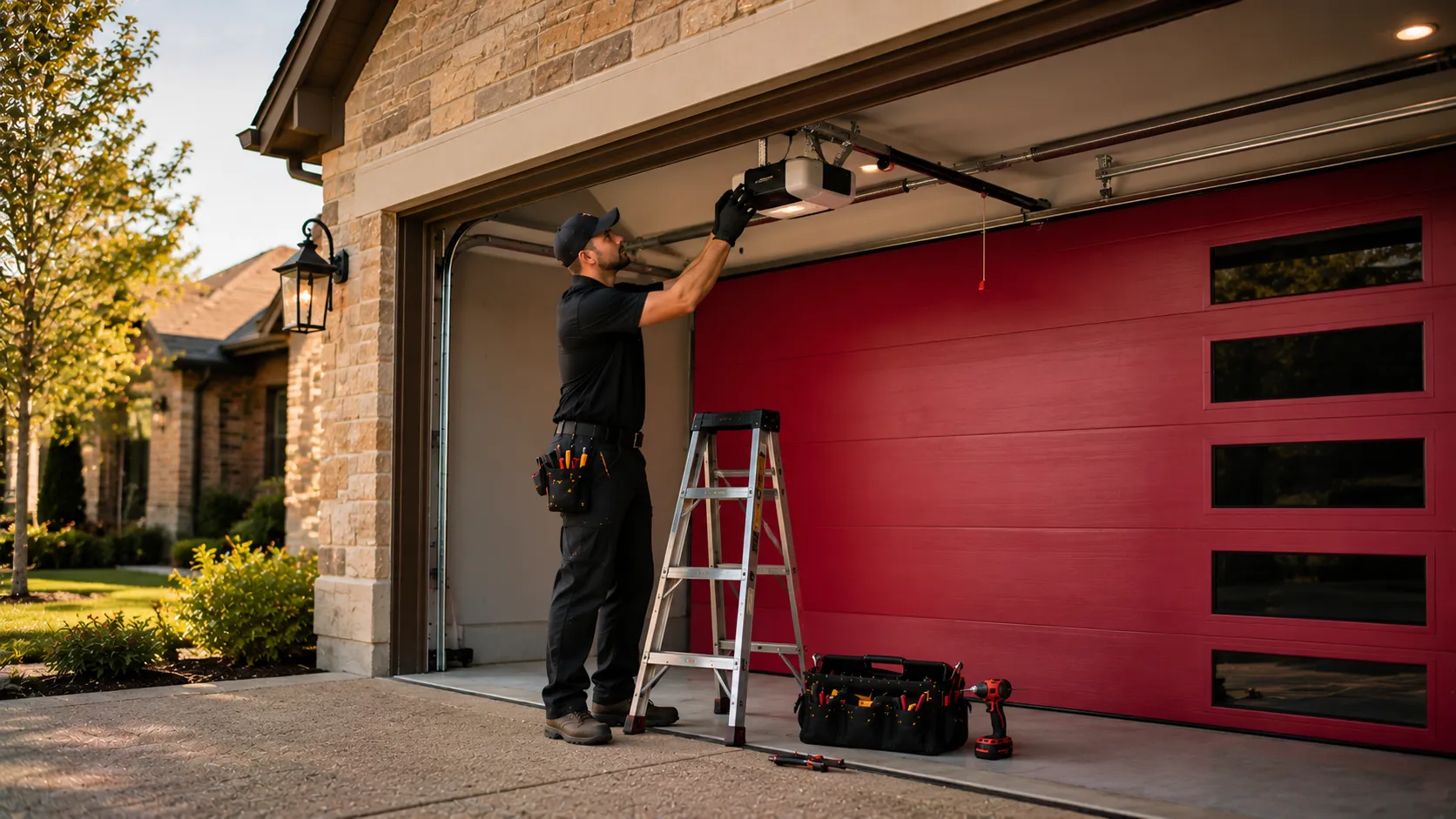
Encinitas sits in a mild temperate band, and that shapes the call before the truck even shows up. We're not chasing freeze-cracked rollers or ice-jammed tracks the way a tech in a cold-winter town would. The mild climate here means the door hardware isn't fighting the kind of thermal swing that snaps springs from contraction or warps wood panels from freeze-thaw cycling.
That's the good news, and it's the honest reason a lot of service calls in this area turn out to be wear-and-age issues rather than storm damage. What the mild band doesn't protect against is time. A torsion spring doesn't care that the weather was gentle to it for thirty winters - it still cycles down the same, just slower and quieter than it would somewhere with harsher swings.
So when we get a call here, we're usually not diagnosing weather damage. We're diagnosing a part that simply ran out of cycles, which changes what we bring on the truck and how we price the visit.
The area
The Problem
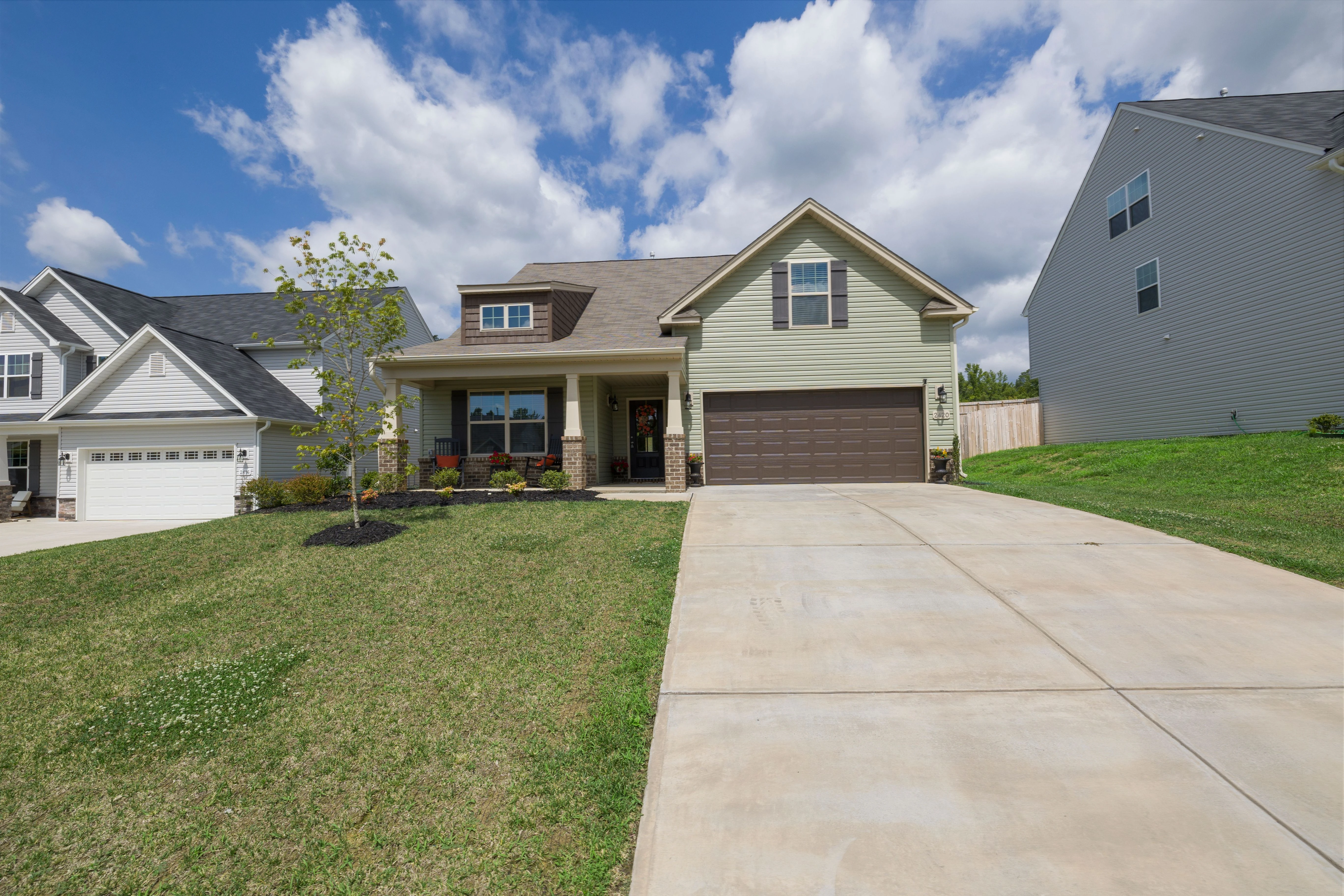
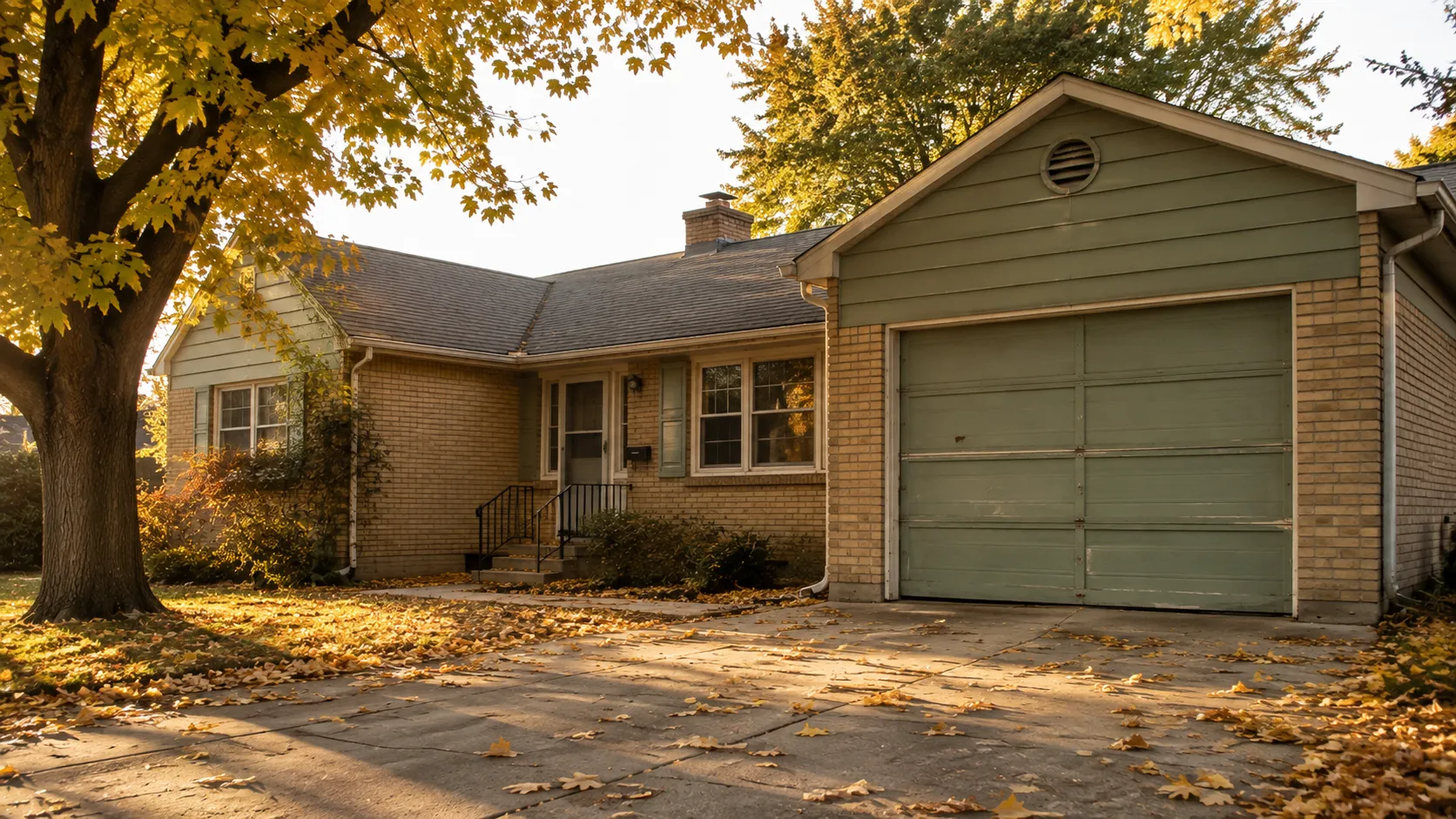
Most of the housing stock across this service area went up between 1970 and 2003, with the median landing around 1983, and that one number explains a lot of what we see on a first visit. A door installed when a house was built in the early '80s is on original torsion hardware that was never rated to last this long - most springs are built for a working life measured in thousands of cycles, not decades. Across the nine named pockets of 1980s-90s stock in this area, the pattern repeats: the opener is a second- or third-generation replacement, but the track, springs, or drum are original to the house. That mismatch is the actual problem behind most service calls, not a single dramatic failure.
The door doesn't break all at once. It gets louder, then harder to lift, then it won't stay up, and somewhere in that sequence someone calls us. Diagnosing which part in that chain gave out first is the real work of the visit - not swapping in a universal fix.
What we find
The Seasonal Bit
Because the climate band here is mild rather than sharply seasonal, the swing in door behavior across the year is smaller than it would be inland. A door on a house near Rancho Santa Fe or Fairbanks Ranch sees a bit more heat variation than one closer to the coast in Cardiff or Leucadia, but none of it is the kind of extreme that forces major seasonal adjustment the way frost-heave or triple-digit desert heat would. What we do still see is a small uptick in calls when temperatures shift enough to change how grease behaves in an aging track - an original-to-the-house 1980s roller assembly that was already marginal will show it first when conditions change, even mildly.
It's not a dramatic seasonal pattern, just enough of a nudge to tip a door that was already close to failing. That's worth knowing before you assume a sudden problem came out of nowhere. Often it didn't - it was overdue, and a small shift in conditions was just the trigger.
How we work
The Cost of This Job
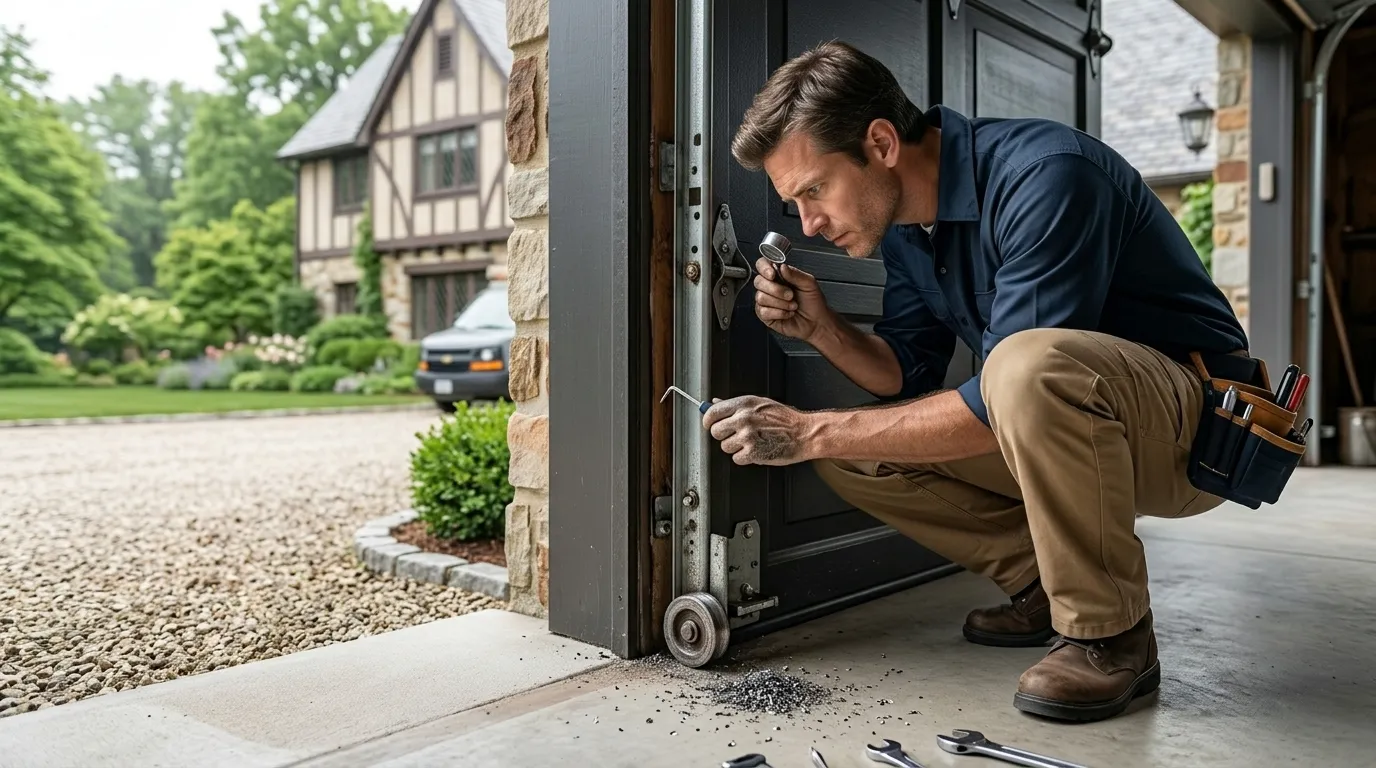
I can't give you a number without seeing the door, and I won't pretend otherwise. What actually drives the cost on a call in this area is usually the age and configuration of what's already installed, not anything exotic. A double door on original 1980s-era torsion hardware is a different job than a single door with a newer opener bolted onto old track - different spring size, different labor, sometimes different parts availability.
With a median household income of $119,394 across roughly 22,090 households and 10,803 owner-occupied houses in this service area, we see a fair number of owners choose full replacement over patchwork repair once a spring goes on a door that's already past its expected life - the math on fixing a thirty-year-old system piece by piece doesn't always win. That's not a sales pitch, it's just what the numbers tend to do once a homeowner sees both options side by side. The honest limitation: if your track or drum is a discontinued size from that era, we may need to order the part, and that adds time to the visit.
Questions
Common questions
Why does my original 1980s door still work at all?
Torsion springs and openers from that era were built solidly, and the mild climate here hasn't put extra stress on them the way harsher weather would elsewhere. But 'still working' and 'safe to keep running' aren't the same thing - a spring near the end of its cycle life can hold until it doesn't, with no warning.
Is my garage door problem weather-related or age-related?
In this area it's almost always age. The mild temperate band here doesn't put the same stress on hardware that freeze-thaw or extreme heat would, so when a door starts sticking or grinding, it's usually because the original 1980s-90s hardware simply reached the end of its rated cycles.
Do you know the exact cost before you arrive?
No, and we won't quote one sight unseen. Cost depends on door size, spring configuration, and whether the hardware is original to a house from this area's 1970-2003 building era. We diagnose on site, then give you the number before doing any work.
Should I repair or replace an original door from this era?
It depends on what's failed. A single broken spring on an otherwise sound door is often a straightforward repair. But if the track, drum, and opener are all original to a house built around the 1983 median for this area, replacement often costs about the same over time and comes with a door built to current standards.
Ready when you are
Need a garage door sorted in Encinitas?
Encinitas Garage Door Pros repairs and installs garage doors, springs and openers in Encinitas, CA and the surrounding area.