
Guide
What That Sound in Your Garage Door Is Telling You
Encinitas homes built between 1970 and 2003 develop distinct door noises in the area's mild climate. Learn what each sound means before it becomes a repair.
Local detail
What the Weather Here Does to It
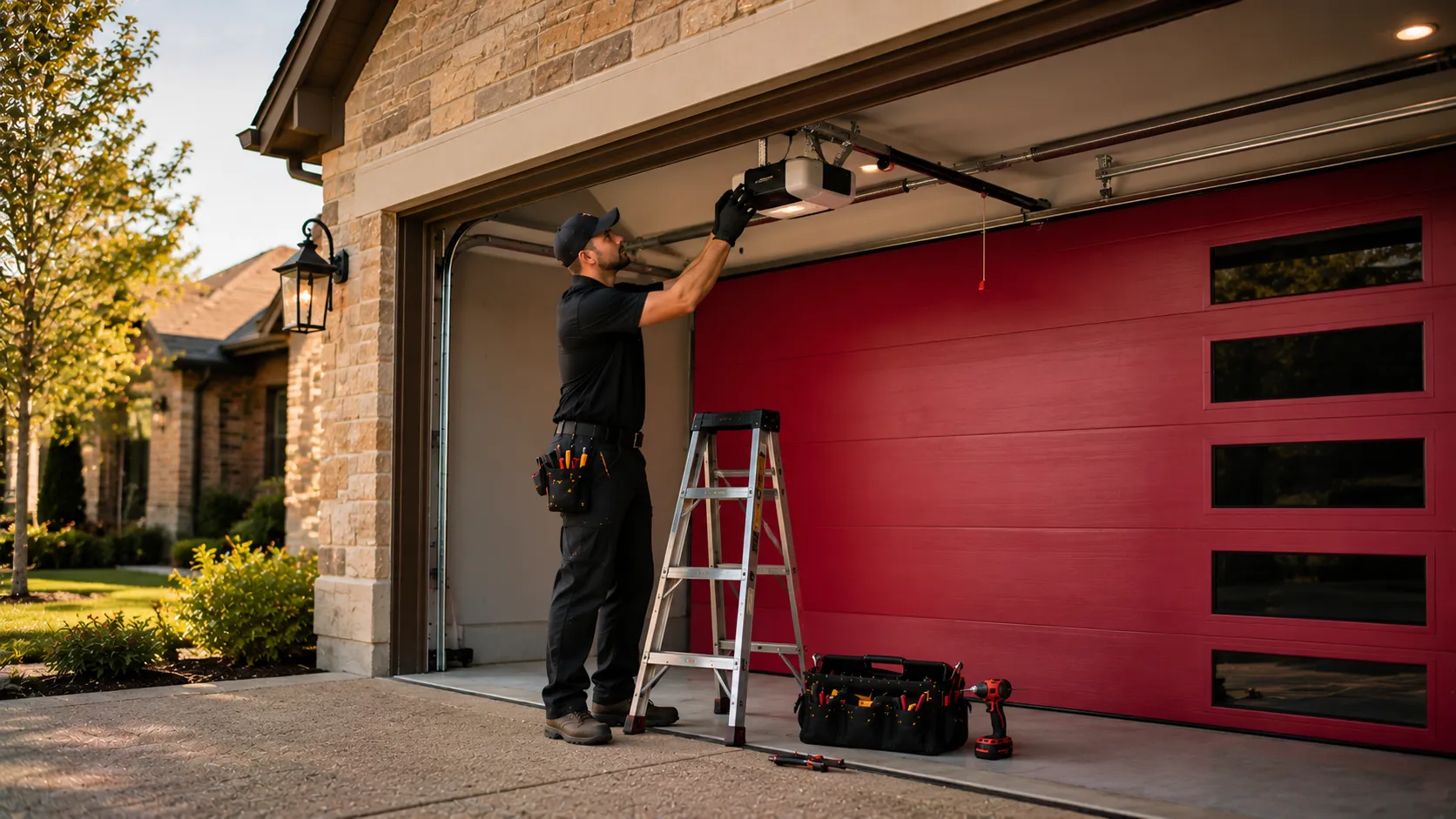
Encinitas sits in a mild temperate band, and that matters more than most homeowners realize. In places that swing hard between freezing winters and hot summers, garage door hardware fights that expansion and contraction year after year until something snaps. Here, the metal doesn't go through that kind of stress. Torsion springs, track bolts, and hinge screws stay at roughly the same tension across the year instead of tightening and loosening with big temperature swings.
That's actually why noise here tends to mean something different than it does in a harsher climate. A squeal or a grinding sound in an Encinitas garage is rarely "the cold snapped something overnight." It's almost always wear that's been building slowly - dry rollers, a spring losing tension from age and cycle count, or a track that's shifted slightly out of alignment. The mild climate buys these doors a longer runway before hardware fails, but it doesn't stop the clock. A door that's quiet for fifteen years and then starts talking to you is telling you it's reached the end of that runway, not that last week's weather did something to it.
The area
The Problem
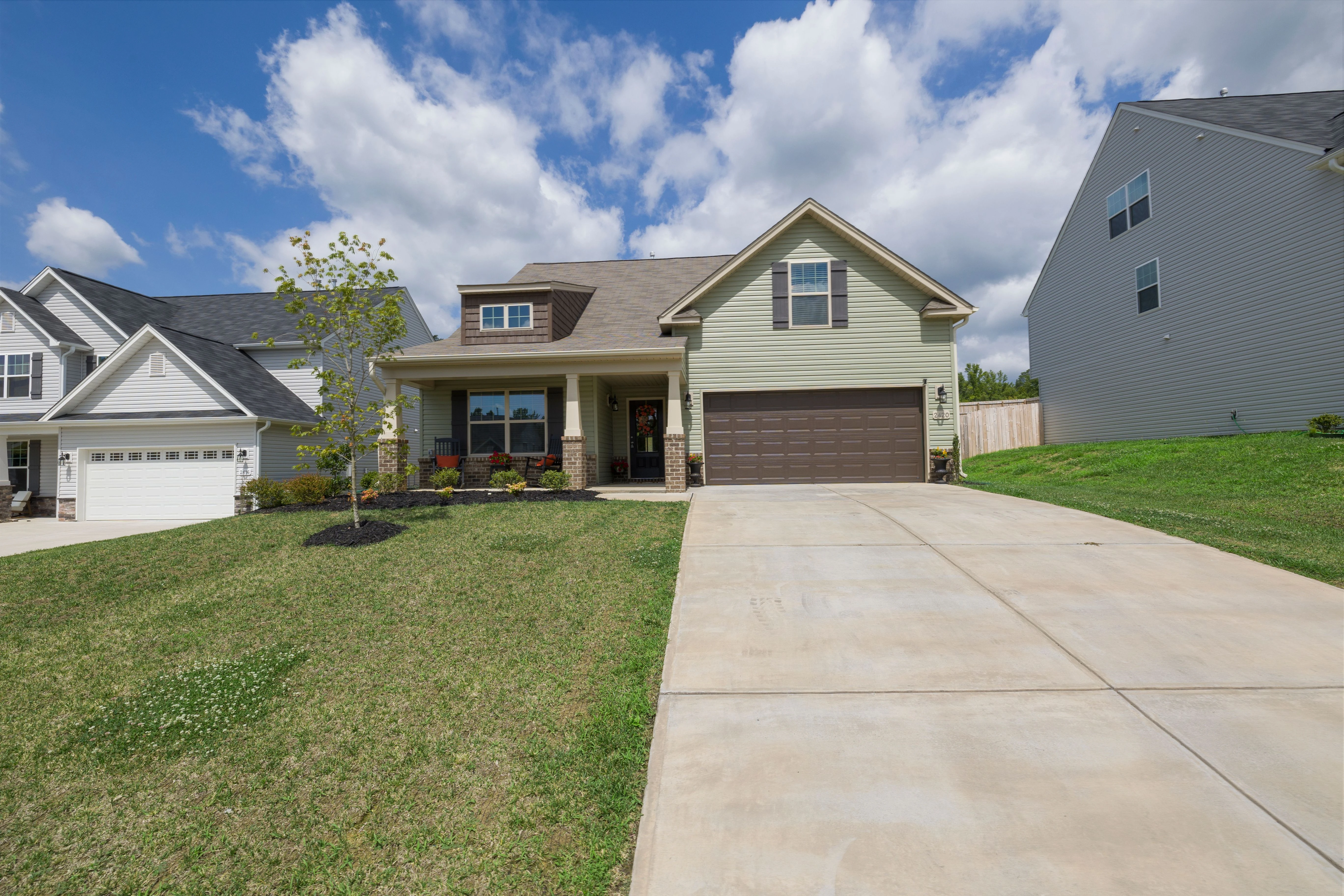
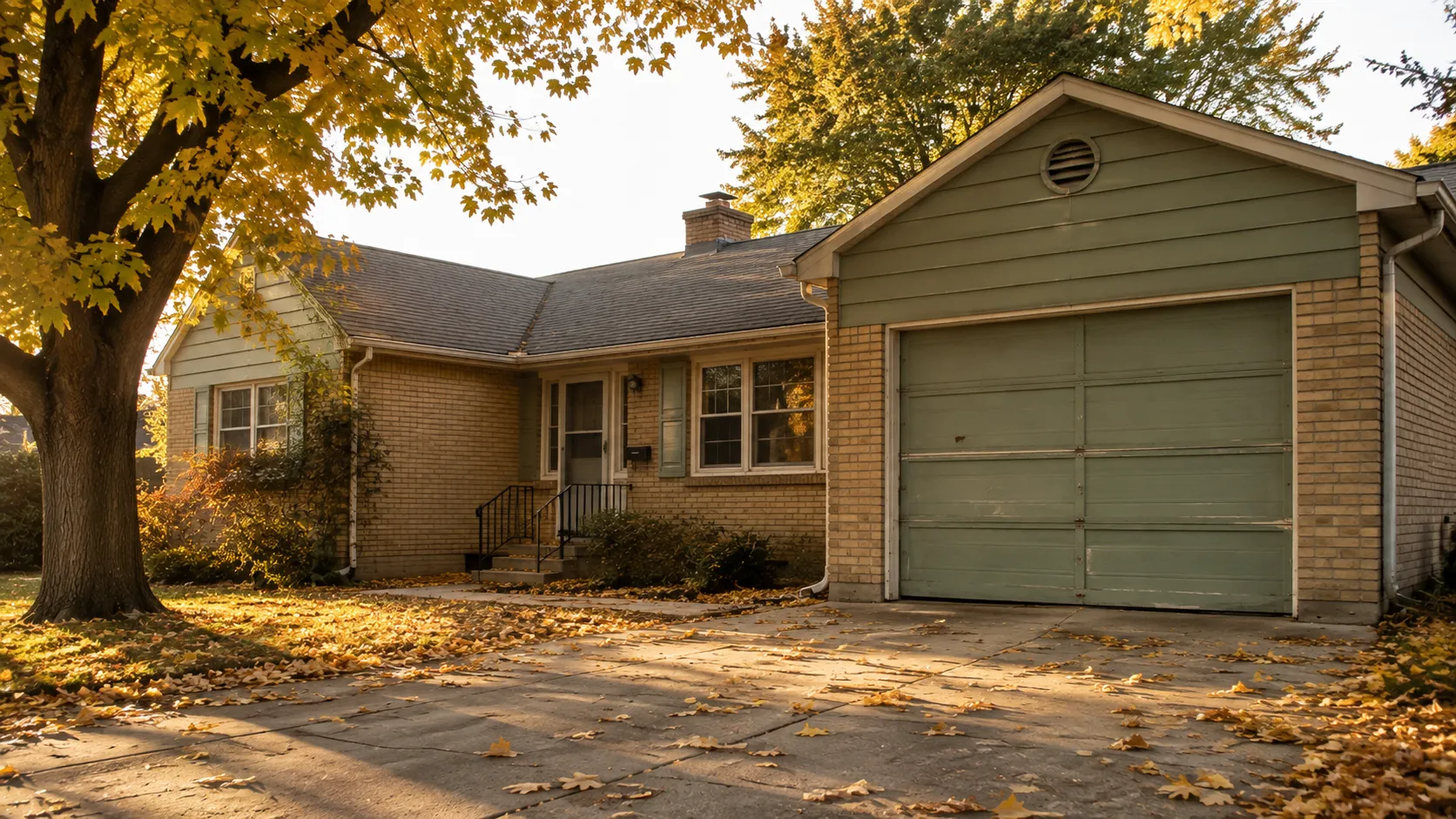
Most of the housing stock across Encinitas's service area went up between 1970 and 2003, with the median build year landing around 1983. Across the nine named areas that make up that stock, you're mostly looking at 1980s and 90s construction - which means a lot of garages are still running the original door hardware, or a first replacement that's now old enough to be showing its age on its own.
That generation of builder-grade doors used steel torsion springs rated for a set number of open-close cycles, standard steel rollers instead of nylon, and lubrication that was never meant to last forty years. When a door from that era starts making noise, it's usually one of three things: the spring is nearing the end of its cycle life and starting to bind slightly on the shaft, the rollers have worn down and are riding rough in the track, or the track brackets have loosened enough to let the door rock instead of glide.
None of these are alarming on their own. They're what happens to hardware from that period after decades of daily use. The problem is homeowners often wait past the point where a five-minute lubrication job would have quieted things down, and end up needing a spring or roller replacement instead.
What we find
The Seasonal Bit
Because the climate here doesn't swing hard, Encinitas doesn't have the classic "first cold morning of the year" noise spike that shows up in colder regions. What it has instead is a slower, quieter pattern tied to how much the door gets used. Houses built in that 1980s-90s wave often have garages that sit closed for long stretches - a second car, a workshop, storage - and dust and dried grease build up on the tracks and rollers during that idle time. When the door finally gets worked hard again, that buildup is what you hear.
So the
Ready when you are
Need a garage door sorted in Encinitas?
Encinitas Garage Door Pros repairs and installs garage doors, springs and openers in Encinitas, CA and the surrounding area.