Encinitas, CA

Garage Door Opener Installation in Encinitas

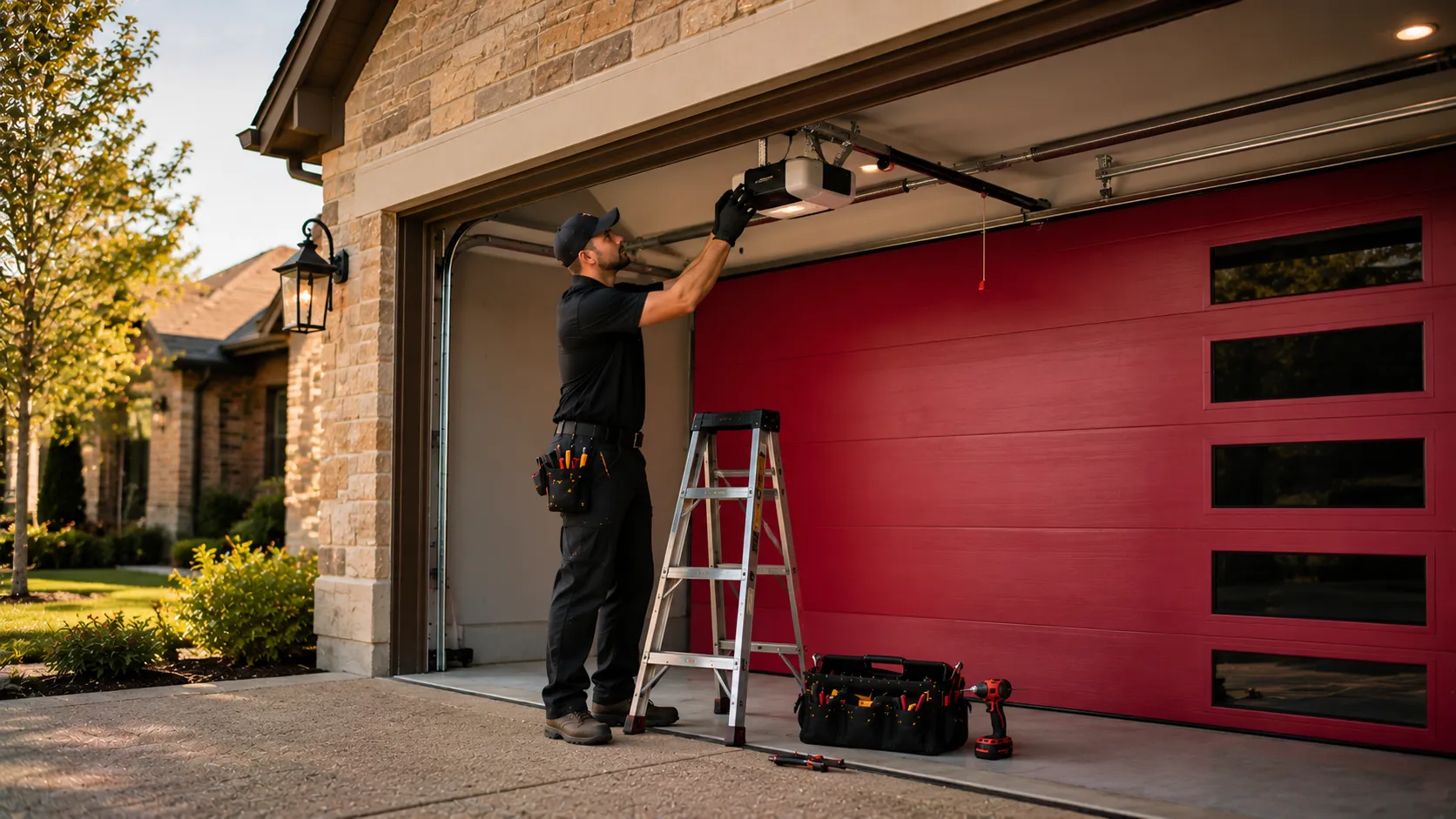
Opener installation for Encinitas homes built mostly between 1970 and 2003, where original chain-drive units are aging out. Serving the coastal service area around Encinitas.

Garage Door Opener Installation in Encinitas in Encinitas
Serving Encinitas, CABackground-checked techsHonest, upfront pricingFast local response
Local
Crews that work this area daily
Same-day
Response for most repair calls
Upfront
Pricing agreed before we start
Insured
Background-checked technicians

Local causes

Why This Fails Locally

Most houses across the Encinitas service area went up between 1970 and 2003, with the bulk of the stock dating to the 1980s and 90s across the nine named neighborhoods we work in. That means a huge share of openers out there are original or one replacement removed from original - chain-drive units built before rolling-code security, soft-start motors, or battery backup were standard. These units don't fail all at once. The gears wear, the circuit board drifts, and the safety sensors that were bolted on as an afterthought stop reading each other reliably. Encinitas sits in a mild temperate band, so we don't see the freeze-thaw cycling that kills openers outright in colder climates. What we see instead is slow salt-air corrosion on exposed hardware near the coast, plus straightforward mechanical fatigue from three or four decades of daily use. The opener wasn't built to last the life of the house, and in a market where the median home is now over forty years old, a lot of these units are simply at the end of their service life at the same time. That's not a coincidence tied to any one street - it's the age of the housing stock catching up with the equipment inside it.

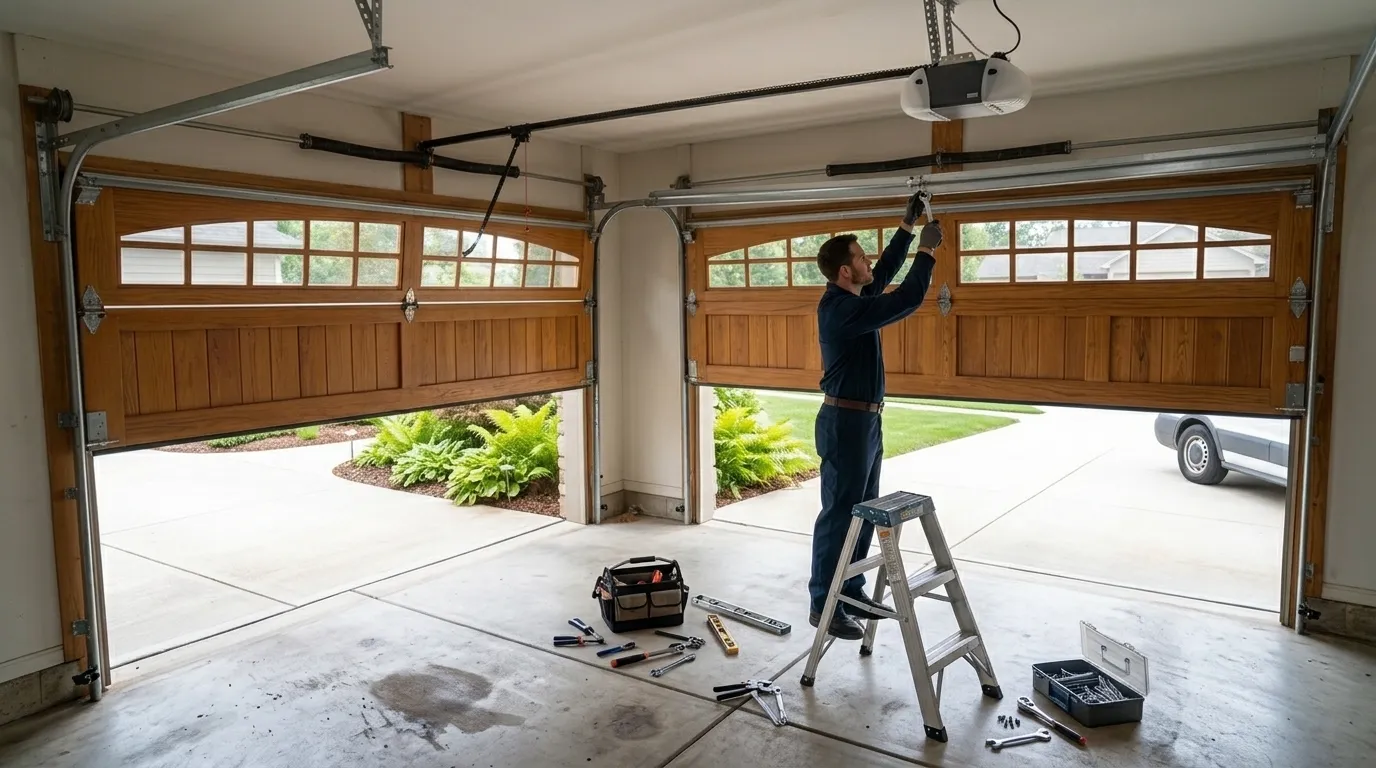
Why This Fails Locally

Symptoms

The Symptom

The first sign is usually the door hesitating partway up, or reversing on its own before it reaches the top. Sometimes it's the remote working from the driveway but not from the street, or the wall button needing two or three presses to get a response.

Chain-drive grinding gear wear

On older chain-drive units common in this area's 1980s-90s construction, you'll often hear the motor straining - a higher-pitched whine as the gear inside the housing wears down. Homeowners also report the light staying on constantly, or the opener running but the door not moving at all, which usually means the drive gear has stripped.

Constant-light logic-board failure

None of these are cosmetic. A door that reverses unpredictably or drifts down on its own is a safety issue, not just an inconvenience, especially in households with kids or pets near the garage.

End-of-life equipment warning

We'd rather tell you plainly: if your opener is original to a home built in that 1970-2003 window, intermittent symptoms are the equipment telling you it's near the end, not a one-time glitch to ignore.

Timing

How Long It Takes

A straight swap - pulling an old chain or belt-drive unit and setting a new opener on existing track and rail - is typically a same-visit job.

1980s-1990s bracket modification needs

Where it runs longer is when the house still has the original mounting bracket or header bracket from the 1980s or 90s build era, which sometimes needs modification or replacement to accept a newer opener's mounting hardware.

Bracket standard change since

Homes across the service area's older tracts (the ones from that 1970-2003 build window) are the ones most likely to need this extra step, since bracket standards have changed more than once since then.

Wiring for old-mount systems

Wiring for wall controls and safety sensors on these older installs is also often undersized or run differently than current units expect, which adds time to get it right rather than just plugged in and hoping. We won't rush that part - a sensor wired wrong is the kind of thing that shows up as a callback, and we'd rather take the extra twenty minutes now.

Doing It Yourself

DIY or pro

Doing It Yourself

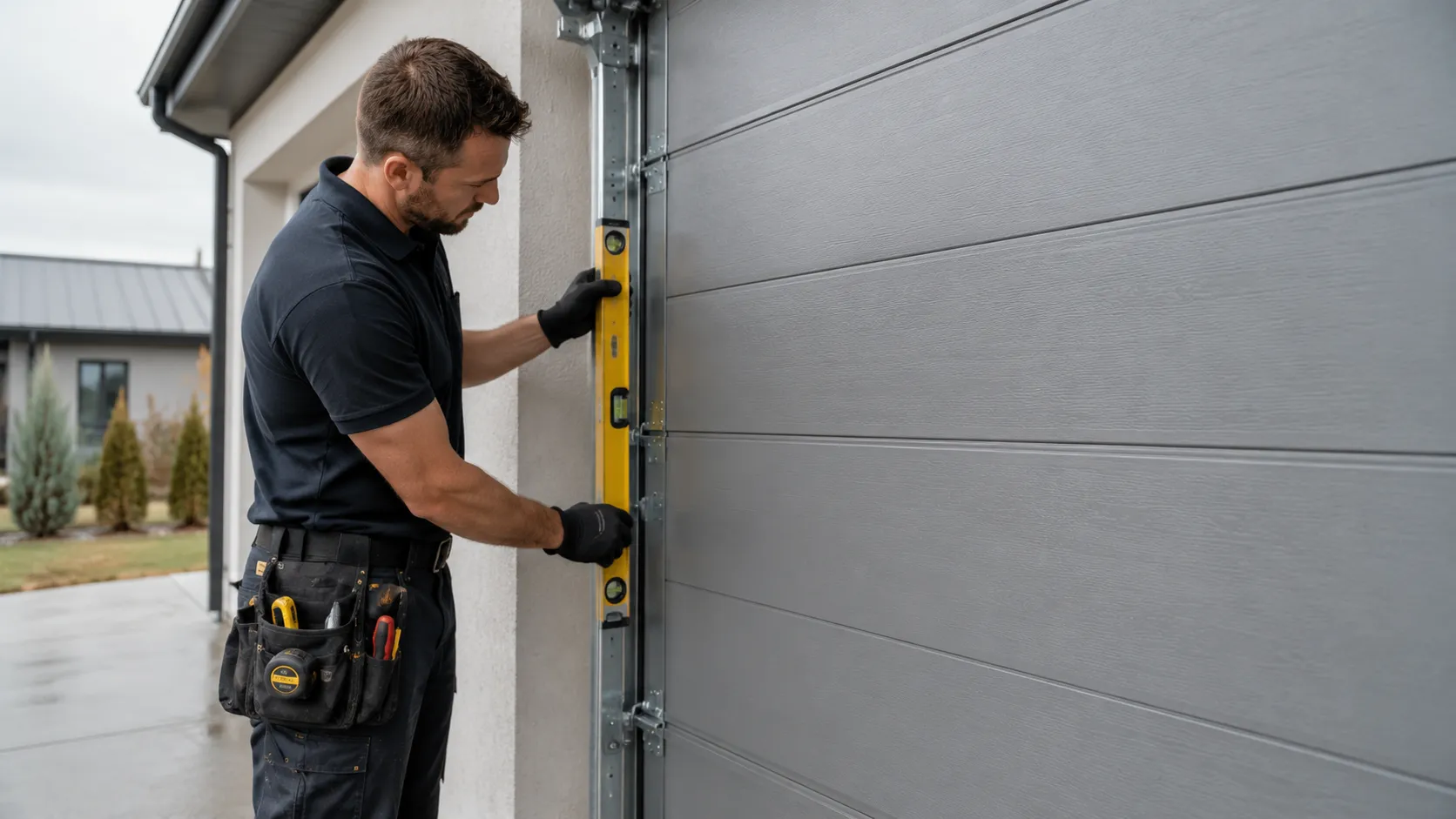
Swapping an opener yourself is doable if you're comfortable on a ladder and patient with wiring diagrams - the mechanical part isn't the hard part. Where DIY installs go wrong is the safety sensor alignment and the header bracket fit, especially on the older mounting hardware common in homes from the 1970-2003 build era across this area. A sensor that's slightly out of alignment will often still seem to work, right up until it doesn't catch something in the door's path. We'll say plainly: if your garage has a header bracket that's rusted, cracked, or was clearly patched once already, that's not a job to finish alone - the opener is only as safe as what it's bolted to. If you're set on doing it yourself, at minimum get the sensor alignment checked before you call it done.

Questions

Common questions

Is my opener too old to repair instead of replace?

If your house dates to the 1970-2003 build window common across this area and the opener is original, replacement almost always makes more sense than repair - parts for that generation of unit are getting hard to source, and the motor and gear are usually near the end of their working life anyway.

Does the coastal air here affect openers?

Encinitas sits in a mild temperate band, so we don't see extreme heat or cold cycling, but salt air near the coast does speed up corrosion on exposed metal hardware over the decades, which is one more reason older units in this area wear out even without dramatic weather.

Can you install a new opener on my existing track?

In most cases yes, if the existing rail and track are in decent shape. The more common sticking point on older homes is the mounting bracket, which sometimes needs updating to fit current opener hardware.

Ready when you are

Need a garage door sorted in Encinitas?

Encinitas Garage Door Pros repairs and installs garage doors, springs and openers in Encinitas, CA and the surrounding area.

Call Now(442) 206-8968